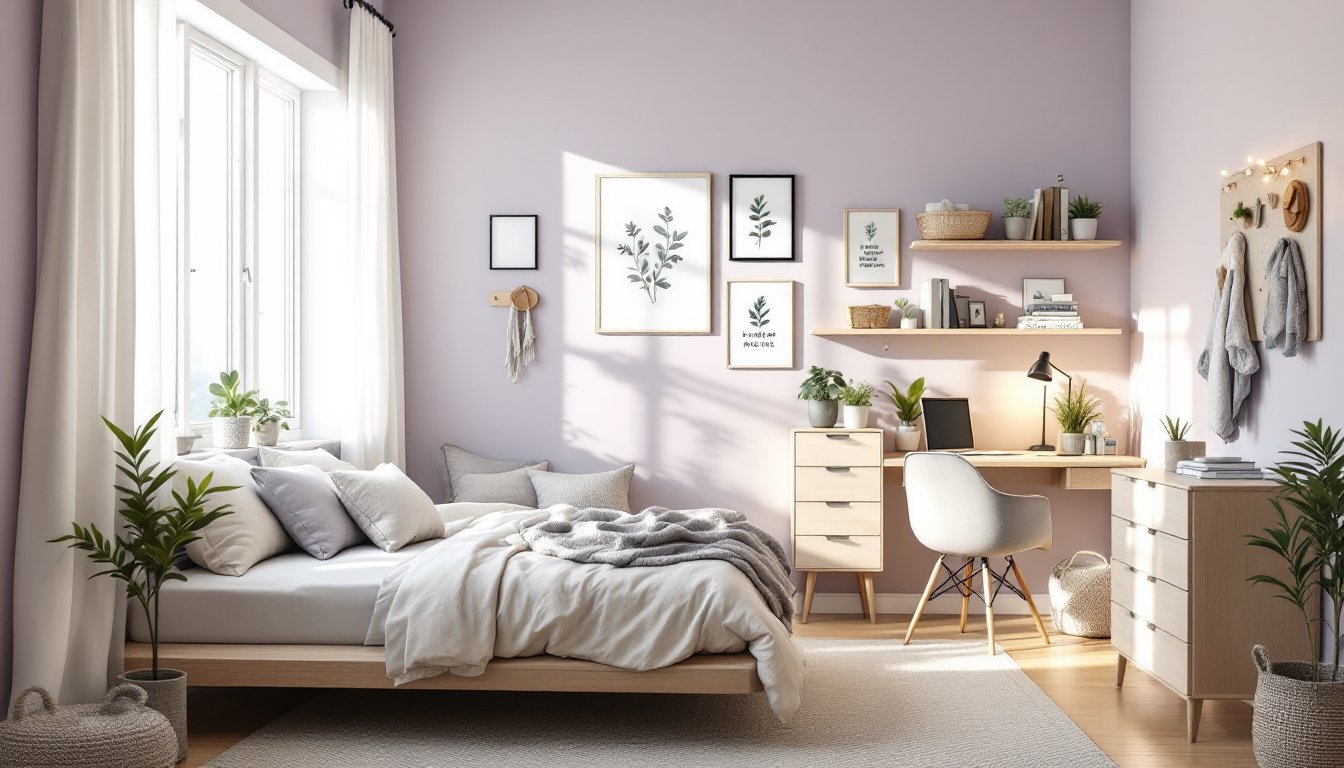
A girl’s bedroom should be more than just a place to sleep, it’s her personal retreat where she can unwind, be herself, and express her evolving personality. Whether you’re designing a space for a young child, a preteen discovering her style, or a teenager ready to make bold choices, creating a functional and beautiful bedroom requires thoughtful planning. From selecting the right color palette to choosing furniture that grows with her, these modern bedroom ideas for girls balance practicality with creative expression. This guide walks you through actionable design strategies to build a space that’s both comfortable and genuinely hers.
Table of Contents
ToggleKey Takeaways
- A thoughtfully designed girls bedroom balances color, storage, and personalization to create a functional retreat that reflects her evolving personality and style.
- Soft pastels and neutrals like sage green and warm cream provide a calm, practical foundation, while bold accent walls or peel-and-stick wallpaper allow for creative expression without permanent commitment.
- Maximize small spaces by positioning beds against the longest wall, using vertical storage solutions, and floating furniture to keep the room open and clutter-free.
- Layer three types of lighting—ambient, task, and accent—with dimmable overhead fixtures and warm-toned bedside lamps to create flexibility for studying, relaxing, and mood-setting.
- Personalize the space with intentional decor like gallery walls, photographs, art prints, and handmade accessories that tell her story rather than relying on mass-produced bedroom ideas.
- Install wall-mounted shelving, under-bed storage bins, and closet organization systems to maintain a sanctuary that feels spacious and keeps daily essentials accessible.
Color Palettes That Inspire Creativity and Comfort
Soft Pastels and Neutrals for a Calming Retreat
Soft pastels, pale blush, sage green, dusty lavender, and warm cream, create a serene foundation for a girl’s bedroom. These colors are practical because they hide dust and light wear better than bright whites, and they photograph well for those inevitable TikTok moments. A single accent wall in a muted tone keeps the space from feeling bland without overwhelming it.
Neutrals like soft gray, warm beige, and off-white offer flexibility for layering textures and accessories. Paint two coats of a quality interior flat or eggshell finish: eggshell resists stains better if you’re dealing with pencil marks or tape residue. Most interior paints cover approximately 350–400 square feet per gallon, so a standard bedroom wall (roughly 10 by 12 feet) needs just one quart. Primer is essential on previously painted surfaces, especially if you’re going from dark to light.
When selecting pastels, order paint samples and apply them to the walls. Natural and artificial light change how colors read, test them morning and evening before committing.
Bold Accent Colors for Confident Self-Expression
If she’s ready to make a statement, bold accent colors work beautifully on one feature wall or through paired furniture pieces. Deep teal, forest green, navy, or even a dusty coral give personality without looking childish. The key is pairing bold walls with neutral furniture so the room doesn’t feel dated in two years.
An accent wall behind the bed or beside a desk draws focus without painting the entire room. If you want the flexibility to change later, consider peel-and-stick wallpaper in geometric or botanical patterns, brands like Spoonflower and Chasing Paper offer quality designs that stick to clean drywall and peel off without damage. Apply slowly, use a squeegee to smooth bubbles, and trim excess with a utility knife. This approach gives teen girl bedroom decor a grown-up feel while keeping options open for future updates.
Furniture Layouts That Maximize Space and Functionality
The layout of a bedroom determines whether it feels spacious or cramped. Start by mapping out the room on paper, measuring the width and length of available wall space, windows, doors, and closets. Note ceiling heights and where outlets are located, you don’t want to run extension cords across the floor.
For small rooms, position the bed against the longest wall to open up floor space. A twin or full bed with vertical storage (shelving above or a headboard with cubbies) reduces the footprint of clutter. Platform beds save floor space by eliminating the need for a separate box spring, and they sit lower visually, making small rooms feel larger.
A compact desk positioned near a window, if available, maximizes natural light for assignments and reduces dependence on task lighting. Floating desks (mounted 30–36 inches high) work especially well in tight layouts. A dresser or low shelving unit against one wall serves as both storage and a display surface for books and decor.
Arrange seating, if space allows, in an L-shape or corner setup rather than blocking the center of the room. A small upholstered bench at the foot of the bed, or a reading chair tucked into a corner, invites relaxation without dominating the space. This approach works for teenage girl bedroom ideas for small rooms where every square foot counts.
Storage Solutions That Keep Clutter at Bay
Adequate storage is the difference between a sanctuary and a disaster zone. Closet organization is the obvious starting point, install a second rod at 40–42 inches if hanging space is limited, use slim velvet hangers to save room, and add shelving above the existing rod for bins and folded items. Measure the interior depth and width before purchasing organizational systems: most closet rods sit 12 inches from the back wall, leaving roughly 24 inches of hanging depth.
Under-bed storage bins slide smoothly on wood or laminate floors but catch on carpet. Use furniture sliders to protect the floor and reduce friction. Label bins clearly and rotate seasonal items to keep current essentials accessible.
Wall-mounted shelving, whether floating shelves or a grid system, provides visible storage without eating floor space. Floating shelves typically span 24–36 inches and support 25–50 pounds per shelf when properly anchored into studs. Install brackets 16 inches apart (matching standard stud spacing) and use heavy-duty anchors if studs aren’t available. A shelf above the desk holds books, photos, and decor: shelves above a dresser keep accessories organized and displayed.
Don’t overlook vertical wall space. Pegboards with hooks and small baskets, mounted 15–18 inches from the desk surface, keep supplies within arm’s reach. This adds functionality to teen bedroom decor while keeping surfaces clear for actual work and movement.
Lighting and Decor Elements That Set the Mood
Lighting shapes how a space feels. Natural light is always ideal, keep windows clear and consider sheer curtains that filter harsh afternoon sun without blocking the view. For artificial light, layer three types: ambient overhead lighting (a flush-mount fixture or chandelier), task lighting (a desk lamp or reading light), and accent lighting (LED strips behind floating shelves or a string of warm-toned bulbs).
Overhead fixtures should be dimmable. Most standard fixtures work with dimmer switches: flip the breaker off before installation, connect the dimmer per manufacturer instructions, and test before replacing the cover plate. Dimmers cost $15–30 and instantly make a room feel more flexible, bright for studying, soft for winding down.
Desk lamps should provide 300–500 lumens of cool-toned light (4000–5000K) to reduce eye strain during assignments. Bedside tables work best with 40–60 watt equivalent LED bulbs in warm tones (2700K), which promote relaxation. String lights, fairy lights, or neon signs add personality without consuming much electricity, these are especially popular in modern teenage girl bedroom ideas because they’re Instagram-friendly and adjustable.
For decor, keep surfaces intentional. A gallery wall of 3–5 framed prints or photos (16×20 and 11×14 inch frames are standard) creates impact without clutter. Sources like interior design ideas show how layering textures, a woven throw, linen curtains, a wooden desk, makes spaces feel curated. Rugs anchor furniture arrangements and soften hard floors: 5×8 feet is a standard bedroom size that fits under at least two furniture legs without looking undersized.
Personalization: Adding Style Through Photos, Art, and Accessories
Personalization is what transforms a generic bedroom into her bedroom. Display photographs on a timeline, a wall arrangement showing her growing up, framed in matching 5×7 or 8×10 frames, tells her story and evolves naturally as new photos are added.
Art prints should reflect her interests, whether that’s botanical illustrations, vintage concert posters, abstract minimalism, or inspirational quotes. Frame prints in consistent sizes or mix frame colors intentionally (black, natural wood, and white together create visual interest). Designers featured on luxury home design inspiration often use this mixed-frame approach in girl kids bedroom ideas.
Add soft furnishings that invite comfort: throw blankets in different textures draped over the bed or a reading chair, decorative pillows in coordinating colors and patterns, and a quality duvet cover that can be swapped seasonally. Quality matters here, dense, washable fabrics survive years of use better than cheap polyester.
Accessories should be functional and personal. A bulletin board or whiteboard near the desk keeps reminders visible. Small plants on shelves or hanging planters near windows add life and improve air quality. A bedside caddy holds phone chargers, reading glasses, and a journal. These details make the space feel like hers, not like you decorated it for her.
Personal touches don’t require buying much, a handmade piece from a friend, a souvenir from a trip, or a DIY project she completed herself matters more than expensive store-bought decor. Resources like home decor and interior design trends show how mixing intentional pieces creates authenticity that mass-produced bedroom ideas for girls often miss.