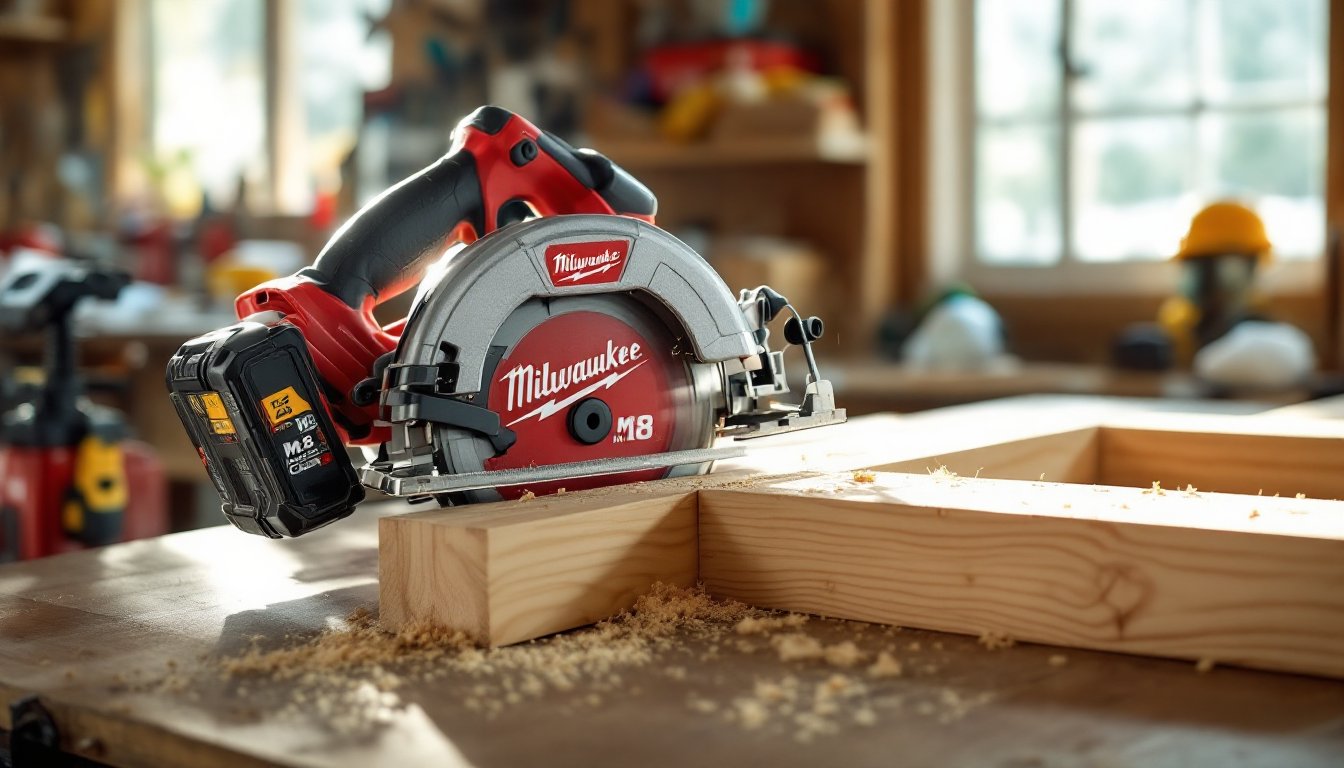
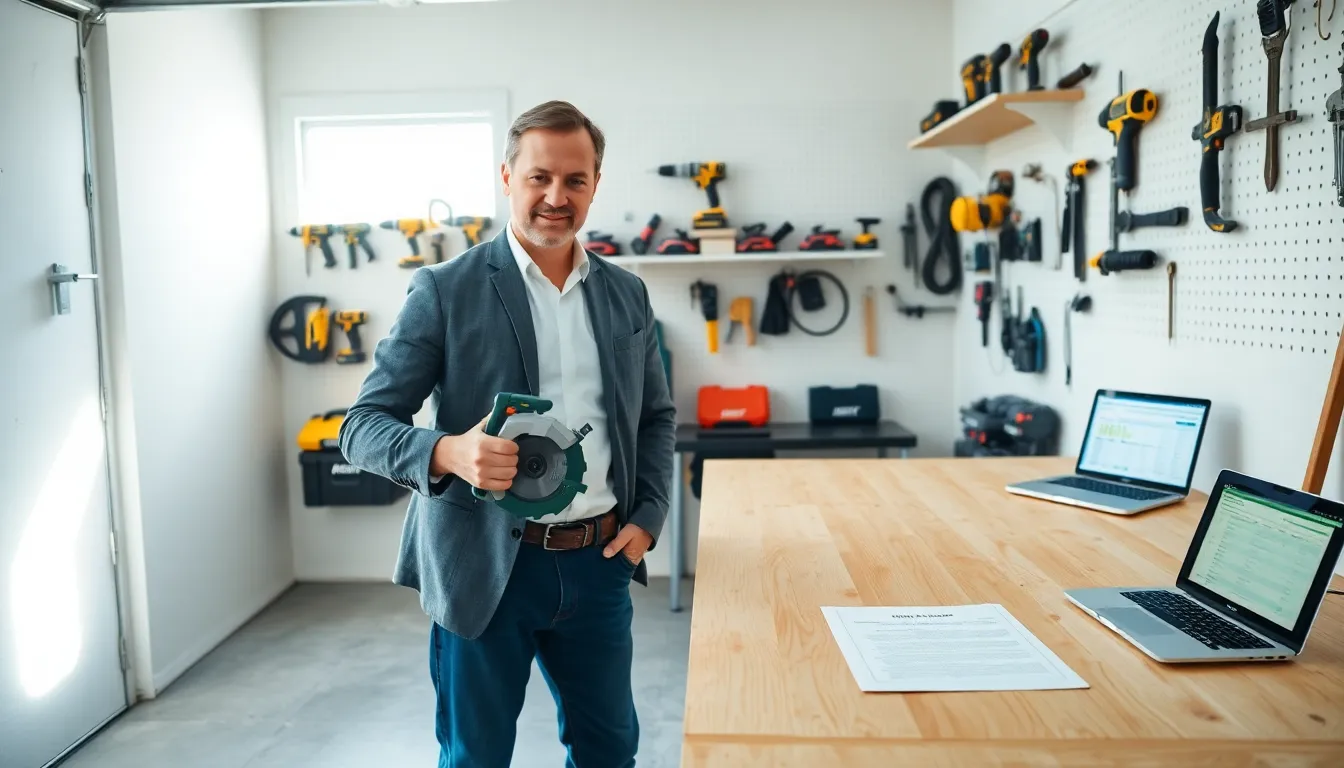
Buying vs. renting tools is a decision every DIY enthusiast and professional faces at some point. A circular saw sits on the shelf at the hardware store for $150. The rental shop down the street offers the same model for $25 a day. Which choice saves money? Which one makes sense for the project at hand?
The answer depends on several factors: how often someone uses the tool, the upfront cost, storage space, and long-term plans. This guide breaks down buying vs. renting tools so readers can make a confident, well-informed choice. Whether tackling a one-time home renovation or building a complete workshop, the right choice can save hundreds, or even thousands, of dollars over time.
Table of Contents
ToggleKey Takeaways
- Buying tools makes sense when you’ll use them more than 5–6 times, as ownership pays for itself through repeated use.
- Renting tools is the smarter choice for one-time projects or expensive specialty equipment like concrete mixers and floor sanders.
- Calculate the break-even point by dividing the purchase price by the rental rate to determine whether buying vs. renting tools saves more money.
- Consider hidden costs when buying—maintenance, storage, and replacement add up over time, while rental fees include these expenses.
- Renting gives access to professional-grade equipment that outperforms consumer models without the long-term commitment.
- Storage space, skill level, and project timeline should all factor into your buying vs. renting tools decision.
When Buying Tools Makes Sense
Buying tools is the smarter move in several situations. The key factor? Frequency of use.
If someone plans to use a tool more than a handful of times per year, purchasing usually wins. A cordless drill, for example, costs around $80–150. Renting that same drill at $15–20 per day means the purchase price pays for itself after just five or six uses.
Ownership makes sense when:
- The tool serves multiple projects over time
- The user values having equipment available on demand
- The tool is a core item (drills, saws, sanders) rather than a specialty device
- Storage space exists to keep tools organized and protected
Professionals and serious hobbyists benefit most from buying tools. They use equipment regularly, and the convenience of ownership adds real value. No scheduling rentals, no return deadlines, no worrying about availability.
Another consideration is resale value. Quality tools hold their worth. A well-maintained DeWalt or Milwaukee power tool can sell for 50–70% of its original price years later. That makes buying vs. renting tools less about permanent cost and more about temporary investment.
Ownership also allows customization. Users can upgrade blades, bits, and accessories to match specific needs. Rental tools come as-is, limiting flexibility.
When Renting Tools Is the Better Choice
Renting tools wins for one-off projects and specialty equipment. Not every job requires permanent ownership.
Consider a concrete mixer. Most homeowners use one once, maybe twice, in their lifetime. Buying a mixer costs $300–800. Renting costs $50–75 per day. The math speaks for itself.
Renting makes sense when:
- The project is a one-time job (installing a fence, resurfacing a driveway)
- The tool is expensive and highly specialized
- Storage space is limited or unavailable
- The user wants to test a tool before committing to a purchase
Renting also eliminates maintenance headaches. Rental companies handle repairs, tune-ups, and replacements. The user returns the tool and walks away. No oil changes, no blade sharpening, no battery replacements.
For large equipment, tile saws, floor sanders, stump grinders, renting is almost always the right call. These machines cost thousands of dollars and require significant storage. Most people simply don’t need them often enough to justify buying.
Another advantage of renting tools: access to professional-grade equipment. Rental shops stock commercial-quality machines that outperform consumer models. A weekend warrior can rent a $2,000 rotary hammer for $60 and get better results than a $200 consumer version would deliver.
Cost Comparison: Long-Term vs. Short-Term Needs
The buying vs. renting tools debate comes down to simple math. Here’s how to calculate the break-even point.
Step 1: Find the purchase price of the tool.
Step 2: Find the daily or weekly rental rate.
Step 3: Divide purchase price by rental rate.
The result shows how many rentals equal the cost of buying.
Example:
| Tool | Purchase Price | Daily Rental | Break-Even Point |
|---|---|---|---|
| Circular Saw | $120 | $20 | 6 days |
| Pressure Washer | $300 | $50 | 6 days |
| Floor Sander | $800 | $65 | 12 days |
| Concrete Mixer | $500 | $60 | 8 days |
If someone expects to use a tool fewer times than the break-even number, renting saves money. If they’ll exceed that number, buying is the better investment.
Long-term needs favor ownership. A homeowner who pressure washes their deck, driveway, and siding twice per year will surpass the break-even point within three years. After that, every use is essentially free.
Short-term needs favor renting. A single weekend project doesn’t justify a $500 purchase. Rent, complete the job, return the equipment, and move on.
Don’t forget hidden costs. Buying tools means paying for maintenance, storage, and eventual replacement. Renting includes these expenses in the daily rate.
Factors to Consider Before You Decide
Beyond cost, several factors influence the buying vs. renting tools decision.
Project Scope and Timeline
Small, quick projects lean toward renting. Large, ongoing projects lean toward buying. A bathroom remodel might take three weekends. Renting a tile saw for $45 per day across six days costs $270. Buying the same saw costs $250–400. In this case, the decision is close, and depends on whether future tile work is planned.
Storage and Space
Tools take up room. A garage workshop can accommodate a growing collection. A small apartment cannot. Renters (of homes, not tools) often lack storage space. For them, renting tools makes practical sense regardless of cost.
Skill Level and Frequency
Beginners may not know which tools they’ll use long-term. Renting allows experimentation. Try a miter saw on one project. If it becomes essential, buy one later. This approach prevents wasted purchases.
Experienced users know their habits. They can predict which tools earn their keep and which collect dust.
Quality Requirements
Some projects demand precision. Rental shops maintain their equipment, but heavy use causes wear. A rented circular saw might cut slightly less accurately than a new one. For finish carpentry or detailed work, owning a well-tuned tool matters.
Availability and Convenience
Rental shops have limited inventory. Popular tools, especially during peak seasons, may not be available when needed. Ownership guarantees access. The tool sits in the garage, ready to go, whenever the project calls for it.